
Own the building. Let the tenant pay for it.
Build Property Wealth & Freedom — Even in a Downturn
The property market has changed, but opportunities still exist for investors with the right strategy.
CAT StrategyTM
- 1050+ 5-Star Reviews
Not skyscrapers. The buildings you drive past.
When people hear commercial they picture glass towers in the city. Almost none of what we buy looks like that. It is the childcare centre near the primary school. The warehouse on the industrial estate. The medical suite above the chemist.
Ordinary buildings, leased to businesses that quietly do well. The difference from a house is the lease. On a net lease, the tenant covers the council rates, the insurance and the maintenance, so what you receive is much closer to what you keep.
And because a business has fitted out your building and built its customers there, it does not move on a whim the way a family might.
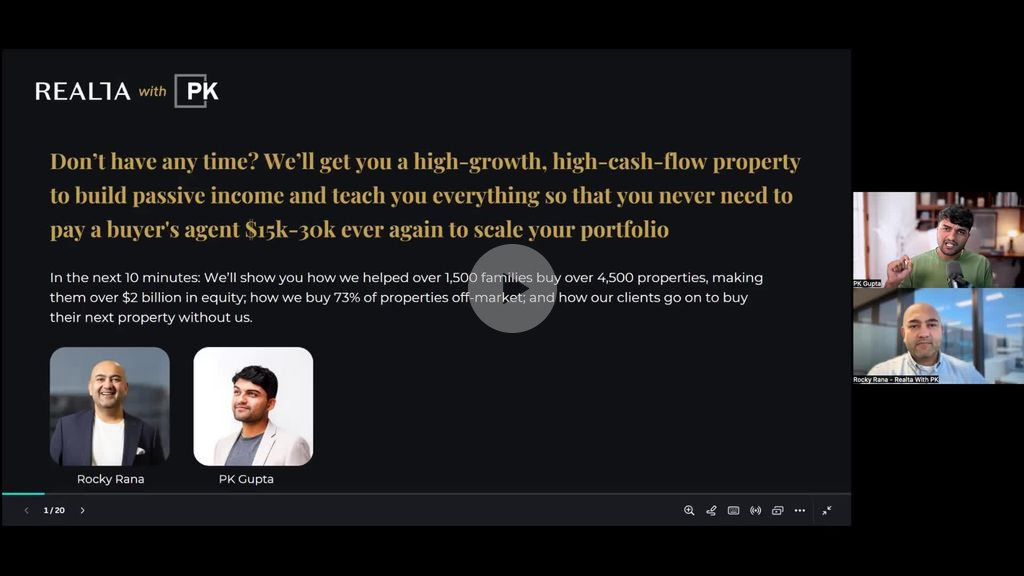
What we check before we ever bid.
A great building with a shaky tenant is not a great building. This video walks through how we read a lease, assess a tenant covenant, and work out what a commercial property genuinely returns rather than what the advertised yield claims.
Why the maths works in your favour.
Six things that are simply true of commercial and are not true of the house you already own.
The yield is different
Around 5% to 8% net is common. On a residential you likely see a smaller proportion of that after costs.
You are not re letting constantly
A three to ten year lease means you are not advertising for a new tenant every twelve months.
The rent rises on its own
Most commercial leases build in an annual increase. Your income grows the day you sign, without asking.
Their bill, not yours
Rates, insurance, maintenance and often land tax sit with the tenant on a net lease.
A tenant with something to lose
A business that fitted out your premises and built its customer base there is not leaving casually.
It can sit inside super
And if you run a business, your fund can own the building while your business pays rent to you.
Ordinary buildings. Extraordinary quiet.
Childcare centre
Industrial warehouse
Medical suite
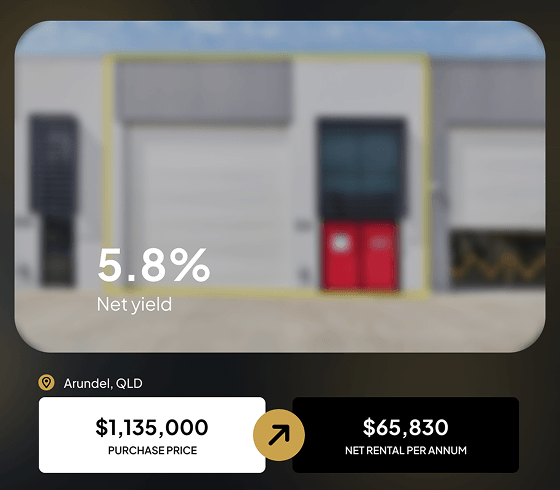
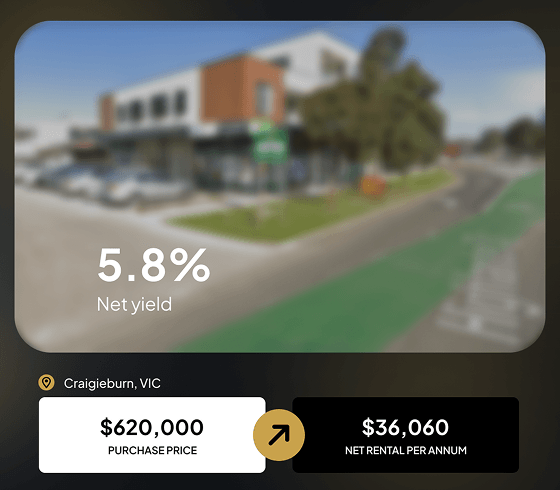
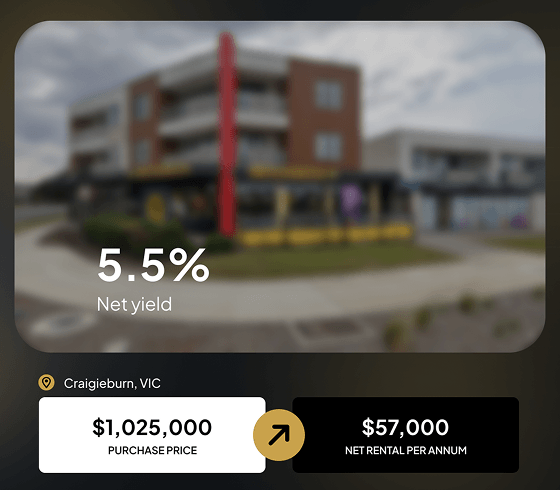
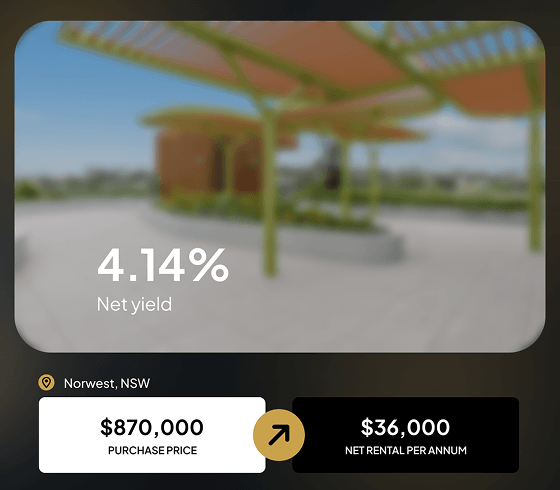
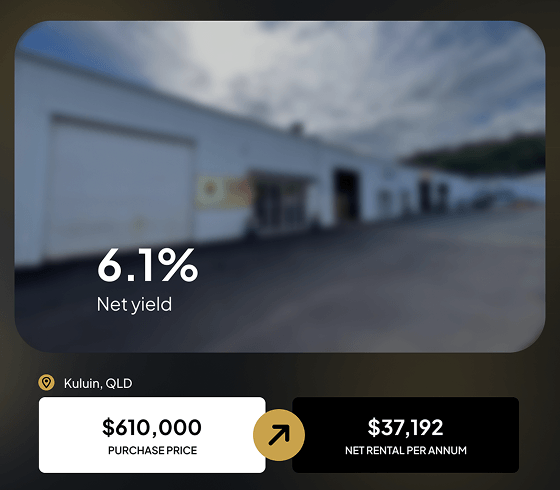
Real deals. Real returns.
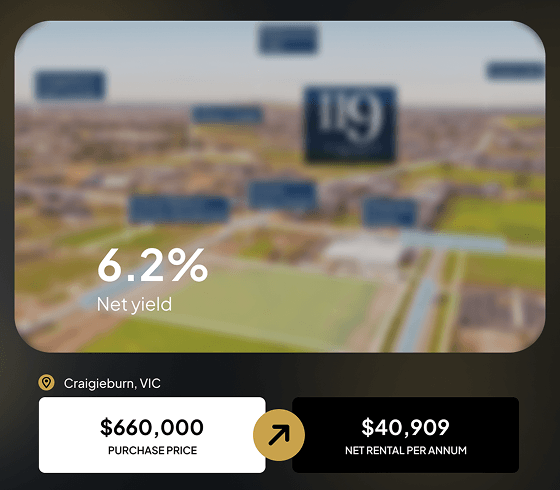
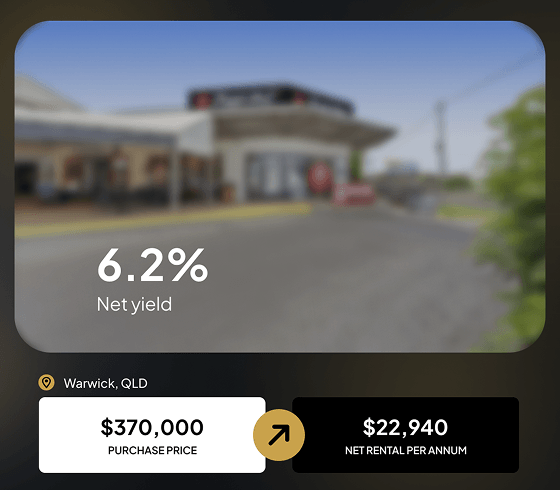
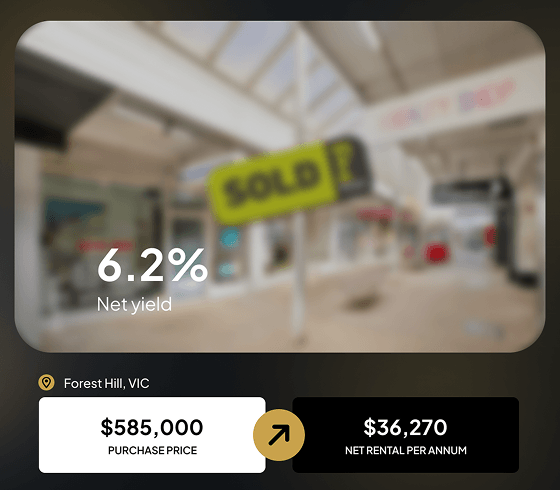
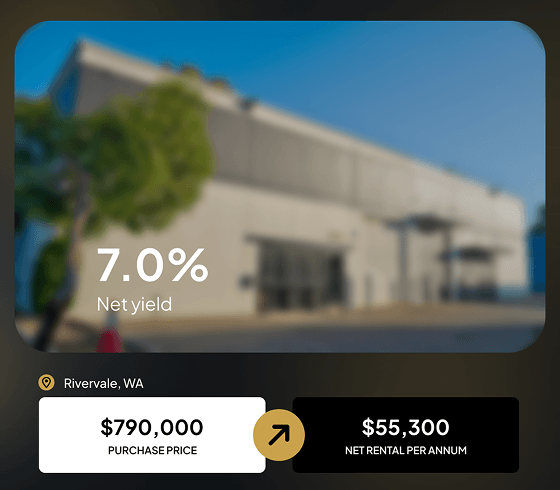
What buyers ask us first.
1. What is the minimum budget for commercial property?
The deposit for commercial properties starts from $600,000. Commercial lending usually requires a deposit of roughly 25% to 35% of the purchase price. Spending above the entry point often buys a lower risk asset, with a stronger tenant and a longer lease. We will tell you honestly where in that range your budget fits.
2. How much deposit do I actually need?
3. Why should I choose you over other commercial buyers agents?
4. I have only ever owned houses. Is this too big a leap?
5. How do you find commercial properties before anyone else?
6. What return should I actually expect?
7. What is a net lease, in plain English?
8. Who pays the outgoings, rates and insurance?
9. Do commercial rents really rise every year?
10. How is a commercial property valued?
11. What happens if my tenant leaves?
12. How do you check the tenant before we buy?
13. How long can a commercial vacancy last?
14. What happens when the lease ends?
15. What are the real risks I should know about?
16. Can I buy commercial through my SMSF?
17. Can my own business rent the building from my fund?
18. How is commercial lending different from a home loan?
19. Do the 2026 Federal Budget changes affect commercial?
The residential negative gearing limits introduced from July 2027 do not apply to commercial real estate. Commercial property retains the full tax advantages and structural agility that residential investors are restricted from utilising. This is general information, not personal tax advice.
20. Do I pay GST when I buy a commercial property?
21. What are your fees, and what do I get for them?
Our Commercial Investment Property service is part of PK Private Wealth, and fees start from $20,000 plus GST. The final fee depends on your brief, the type of property and how complex the acquisition is. We confirm the full fee in writing before you commit, so there are no surprises later.
For that fee, we manage the purchase from start to finish. We find a commercial asset that suits your goals and cash flow. We negotiate the price and terms on your behalf and guide you through to settlement.
22. How do you make money, and are you independent?
23. What data do you use to choose a suburb?
24. How much of what you buy is off market?
25. Can I buy through an SMSF or a trust?
What would you do with the extra?
Tell us what you earn now and what you would like to stop doing. We will show you what the numbers would need to look like.
Learn alongside 100,000+ others
Build Property Wealth & Freedom — Even in a Downturn
The property market has changed, but opportunities still exist for investors with the right strategy.
CAT StrategyTM
- 1050+ 5-Star Reviews